
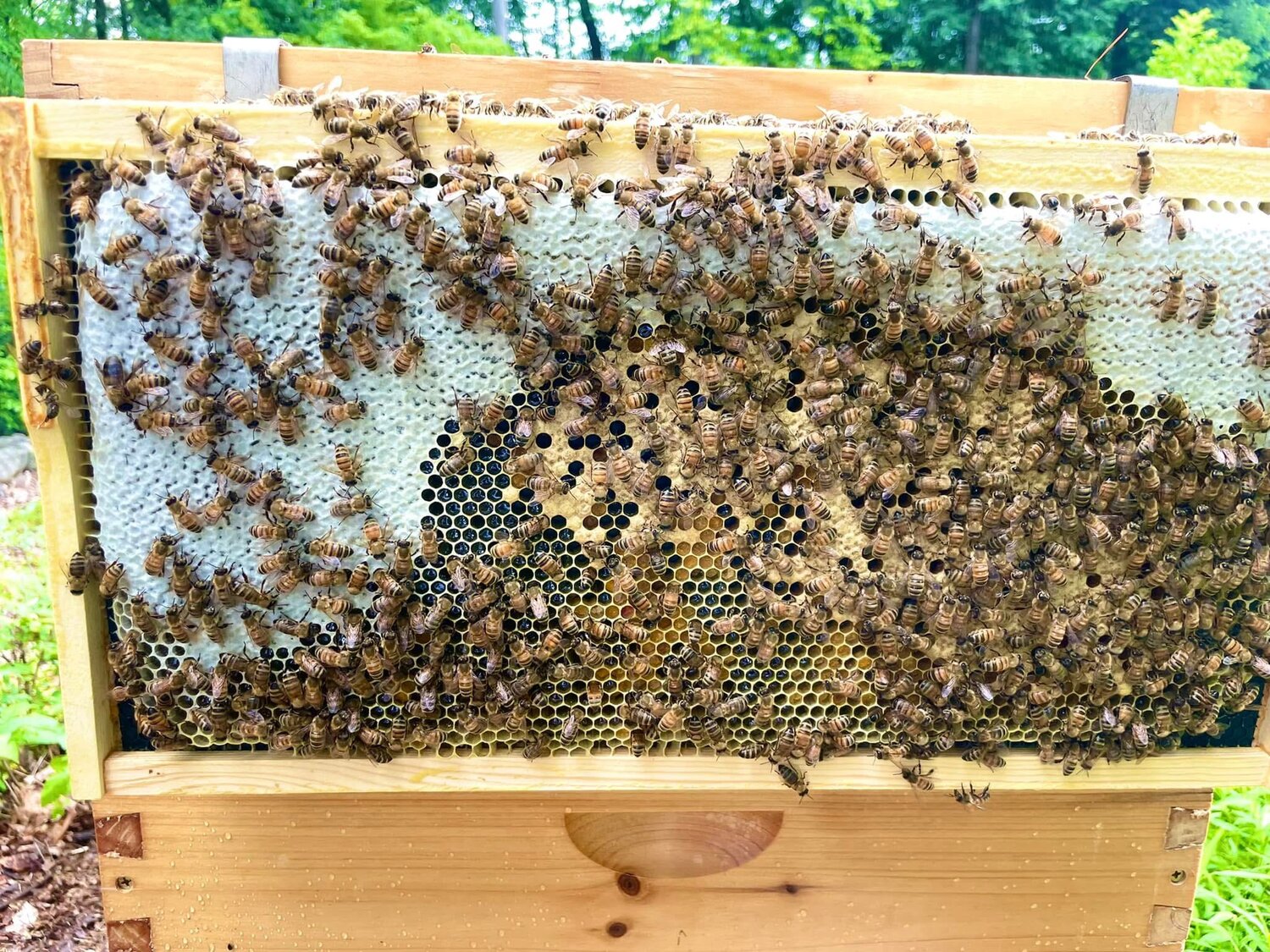


KATONAH, N.Y. - For veterinarian Shannon James, bees, honey and wildlife rehabilitation are all part of the same ecosystem.
James, who is based in Katonah and has spent the past decade rescuing and rehabilitating injured and orphaned wildlife, is once again using a successful honey harvest to support her ongoing work caring for animals in need. Through a fundraising campaign, donors who contribute to her wildlife rehabilitation efforts receive a jar of locally produced honey as a thank-you gift.
"This year was a very strong harvest," James said. "The flowers are producing a lot of nectar right now. I've already spun some honey and I'm ready to spin again. They've already capped more frames over for spinning."
The honey serves as more than a simple reward for donors. James sees it as a way to highlight the connection between pollinators and the broader environment.
"The way it all interrelates with the wildlife rehab is I do have the donations where people donate to the wildlife rehab and then I send them a little honey, a jar of honey, as a thank you," she said. "They're also part of helping the wildlife through helping the bees because the bees are helping the ecosystem, and it's all interconnected."
A licensed wildlife rehabilitator and veterinarian, James has been raising funds for her rehabilitation work for 10 years. According to her GoFundMe page, 100 percent of donations are used for food, supplies and medical care for wildlife under her care.
The costs can add up quickly.
"When we get licensed with the government, it's basically a non-paying job," James explained. "Anything that's spent on the wildlife comes from our own pocket. We're talking food, milk for little baby squirrels and fawns, medical care, enclosures, housing supplies, basically everything. It's a very expensive endeavor."
Over the past decade, donations have helped James save more than 200 animals, according to the fundraising page. Regular updates are provided so supporters can follow the progress of the animals they help.
James specializes in caring for orphaned and injured wildlife, including squirrels, birds and rabbits. Using her veterinary training, she raises young animals until they are healthy enough to be released back into the wild.
Currently under her care is a blue jay recovering from a broken wing. Earlier this spring, she cared for seven baby squirrels, and she expects another busy season as summer litters begin arriving.
"There is never a dull moment," she said.
Beyond the hands-on rehabilitation work, James is passionate about educating the public about wildlife. Through her social media accounts, she shares rescue stories, rehabilitation updates and information about what people should do when they encounter injured or orphaned wild animals.
"The education is really what I want to get out there too," James said. "It's what to do when you find wild animals and who to call."
Those interested in supporting James' wildlife rehabilitation efforts can find donation information through her wildlife-focused Instagram page, which also features photos and videos documenting the animals in her care. Donors will receive a jar of honey from this year's harvest while helping provide food, medical treatment and shelter for local wildlife in need.
To learn more about Shannon and her work, visit www.jamesdvm.com


Comments
No comments on this item Please log in to comment by clicking here